
This is the Cognitive Therapy Scale (CTS-R) competency that I have struggled with the most as a trainee. The problem has mainly been around setting it with genuine collaboration. This is because I have been too nervous that the patient will lead it towards something I haven’t prepared for/don’t know much about/can’t remember the intervention for. If this sounds familiar to you, then read on…

Agenda setting aims to structure the limited session time on making sense of whatever the client has found most difficult to deal with that week and teaching evidence-based techniques that address her thinking biases, errors and misinterpretations. Plain sailing, right?
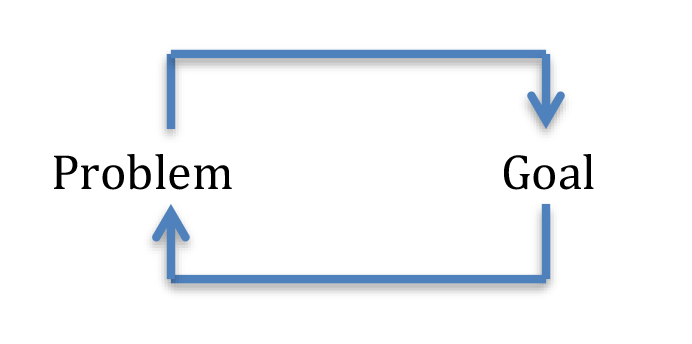
I find that it’s not always straightforward for clients to set goals that relate to their main problem, their maintaining processes and their underlying formulation. Creating a problem statement and a goal statement can help.

I suspect I’m not the only trainee who has ever had the disconcerting experience of ‘barking up the wrong problem/goal tree’ with a client.

The setting of well-defined goals is an important CBT process and key therapist competency. However I rarely succeed in achieving this simply by handing the client a sheet describing and giving examples of how to set SMART goals! So why and how should the client move from a vague wish-list to Specific, Measurable, Achievable, Realistic and Time-framed goals?

When I was training as a GP, an experienced and wise colleague shared one of his high-yield questions with me. It was one he asked patients just after the latter had detailed their problems to him: ‘And what did you hope that I could do about this?’
If you’re ready to take control of your ADHD and achieve your life goals, I invite you to explore my website, read my blog, and reach out to schedule a consultation. Together, we can develop a personalised plan that empowers you to flourish.
Please visit my Substack for the free full version of these blogs. It's where you'll find my take on the three pillars of ADHD - the neuroscience of your brain, the emotional impact of having ADHD, and skills training so you can become better at organisation, communication and self-regulation.
https://anitagoraya.substack.com/?utm_source=global-search